Booking choice: The archipelago cruise with a live guide, ★ 4.4 (1,510). Check dates Compare the options below
Sweden has two famous archipelagos, one on each coast, and many visitors only have time for one. They share red cottages, summer boats and the habit of swimming off the rocks, but the landscape, the water and the way you reach them are not the same.
This guide compares them honestly, answers the questions people ask when they plan a Swedish trip, and covers the ferries from Gothenburg on to Denmark and Germany. To plan an island day here, start with the Gothenburg archipelago ferry guide and the guide to the northern and southern islands.
The quick answer
Stockholm archipelago: over 30,000 islands in the Baltic, many of them wooded, stretching about 80 km out; long boat rides to the outer islands. Gothenburg archipelago: over 7,600 islands in the Gothenburg region, according to the city's tourist board; bare granite, salt water and seafood on the west coast. Southern Gothenburg islands: eight inhabited, no cars, about an hour from the city centre by tram 11 and a Västtrafik boat on one Zone A ticket. Northern islands: Öckerö has about 1,000 islands and skerries, 10 of them inhabited, reached by bus and road ferry. Time needed: two or three days for Stockholm and one more for its archipelago; a day for Gothenburg plus a day for its islands. Onward by sea: Stena Line to Frederikshavn in about 3 hours 15 minutes, and to Kiel overnight in around 14 hours. Tours from Gothenburg: the 2.5-hour archipelago cruise from Lilla Bommen, which does not land, and small-group sails from Stenpiren. Cancellation: full refund if you cancel up to 24 hours ahead on every tour listed here.
Is the Stockholm archipelago worth visiting?
Yes, especially if you have more than a day. Its over 30,000 islands offer forests, red cottages and quiet bays, but the most famous parts are far out and take time to reach.
The Stockholm archipelago begins almost in the city and runs about 80 km out into the Baltic. The inner islands are green and wooded, with summer houses and wooden jetties. Further out the islands get lower and barer, closer to what the west coast looks like. Because the distances are long, a short boat trip from the city mostly shows you the inner archipelago, and the outer islands are best on a full day or with a night on an island.
The water is the Baltic, much less salty than the sea off Gothenburg. For many visitors from abroad, the Stockholm archipelago is the picture of a Swedish summer, and it deserves its reputation. The real question is whether you have the days it needs.
Stockholm or Gothenburg archipelago: which suits you better?
Pick Stockholm for wooded islands, long boat trips and a slow week. Pick Gothenburg for bare granite, salt water, seafood and islands you reach within an hour on the city tram ticket.
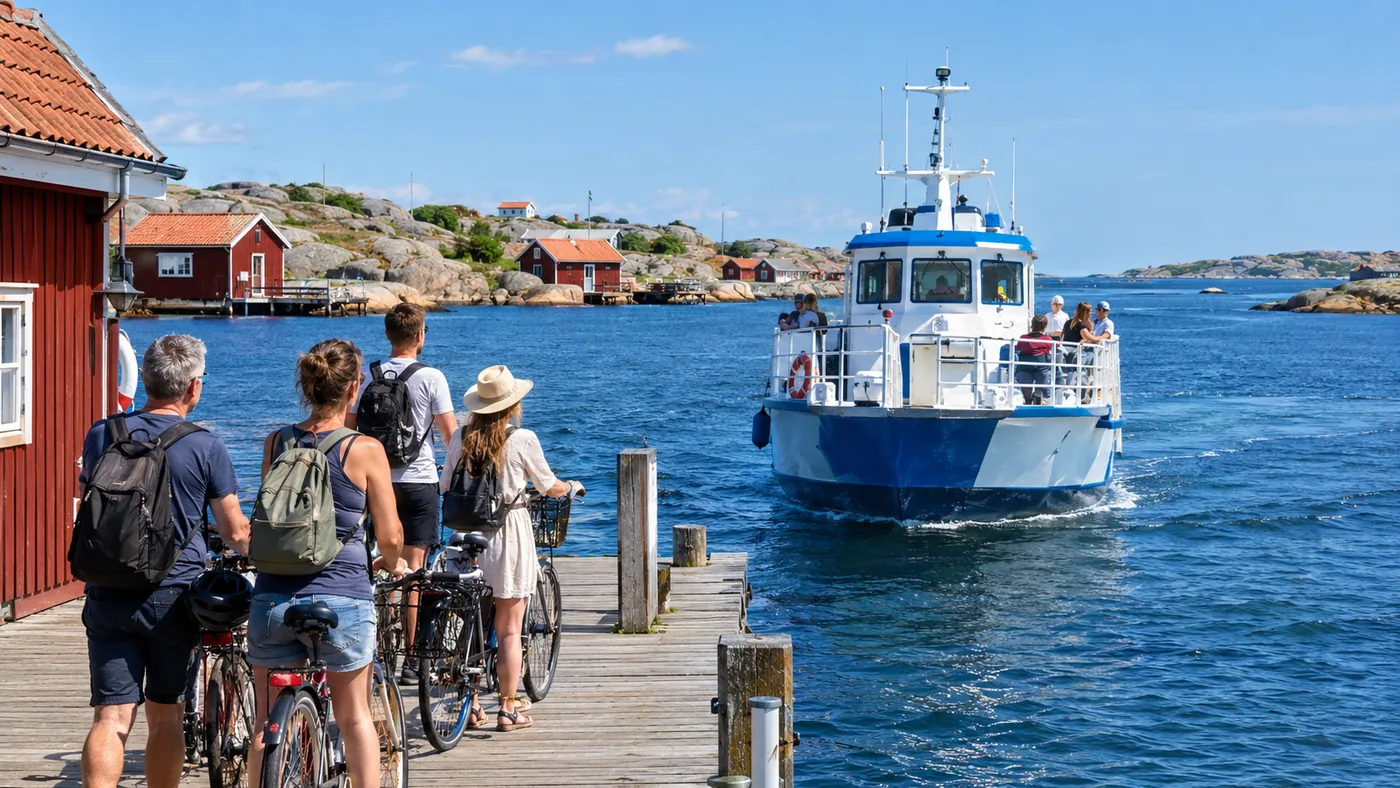
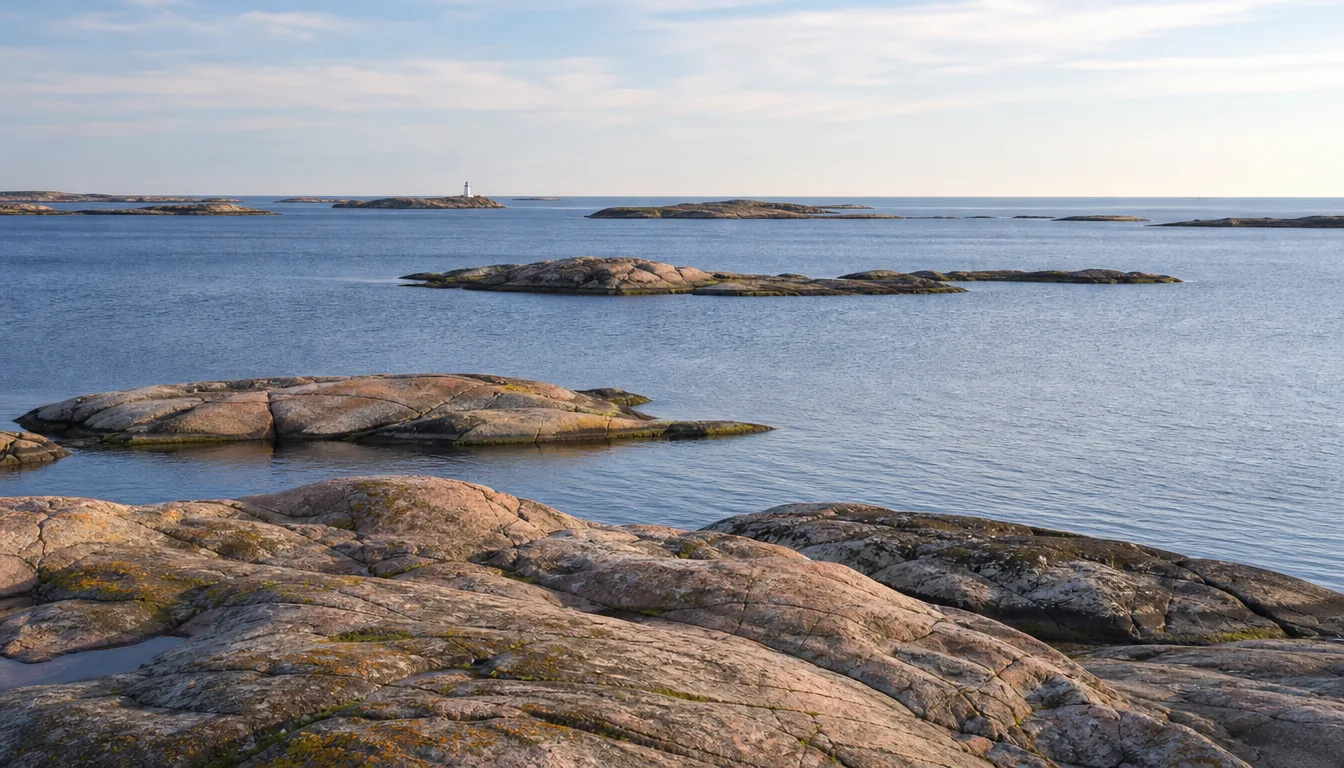
The Gothenburg archipelago is quicker to reach and easier to do on your own. The southern islands, from Asperö and Brännö to Styrsö, Donsö and Vrångö, have no cars and are part of the city's public transport. The northern islands around Hönö and Öckerö are reached by bus and the yellow road ferry, and they keep more restaurants and shops open all year. Neither coast requires a tour, but on the west coast an island day takes almost no planning.
| Compare | Stockholm archipelago | Gothenburg archipelago |
|---|---|---|
| Size | Over 30,000 islands, stretching about 80 km out | Over 7,600 islands in the Gothenburg region, according to the city's tourist board |
| Sea | The Baltic, much less salty | The west coast, salt water |
| Landscape | Wooded islands, then barer skerries far out | Bare pink and grey granite, heath and sandy coves |
| Getting there | Boats from the city; the outer islands take hours | Tram 11 to Saltholmen and a Västtrafik boat on the same ticket, about an hour to most southern islands |
| Cars | Many islands only by boat | Southern islands without cars; northern islands reached by road ferry |
| Food | Island inns and cafés | Shrimp, mussels and fish; lobster from late September |
| Best for | A slow week, sailing and island stays | Day trips, swimming off granite, seafood and short stays |
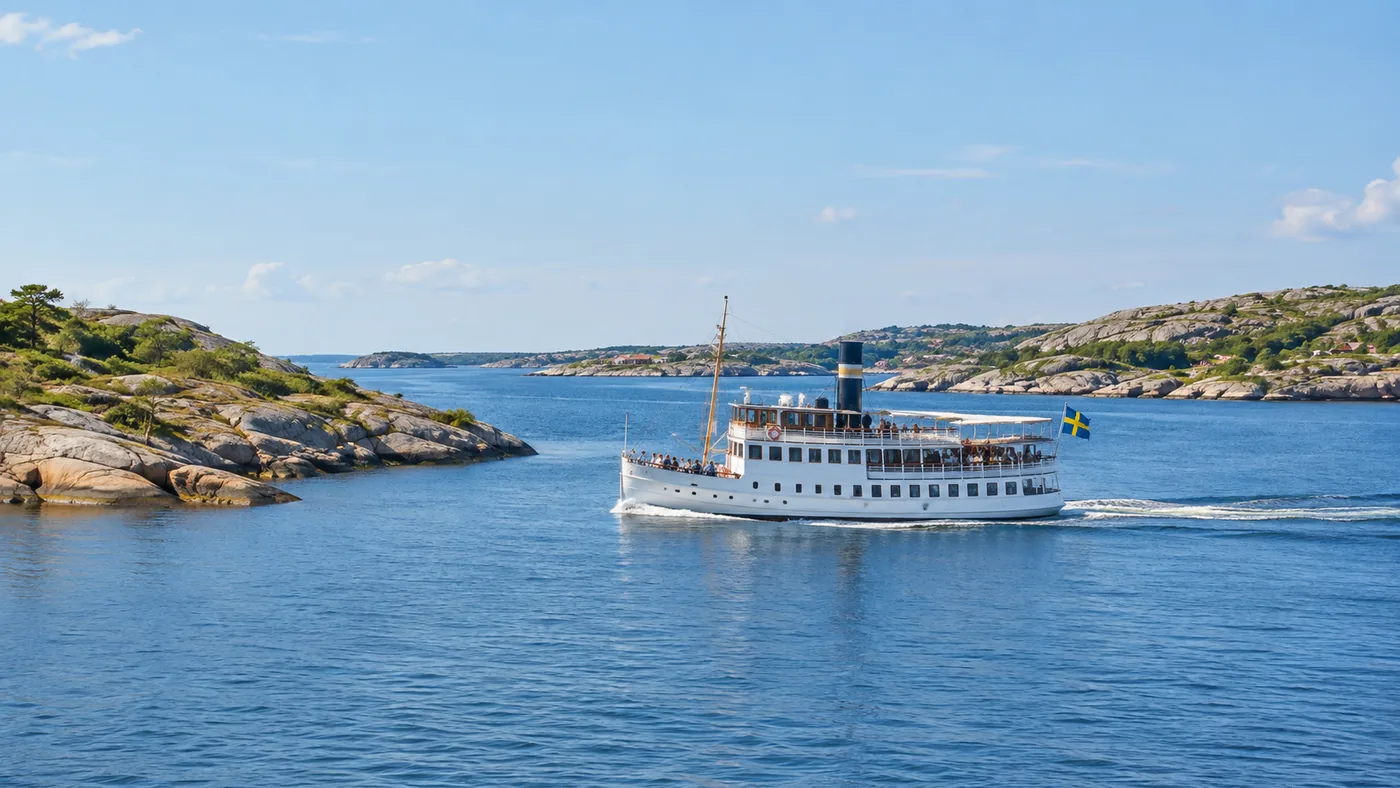
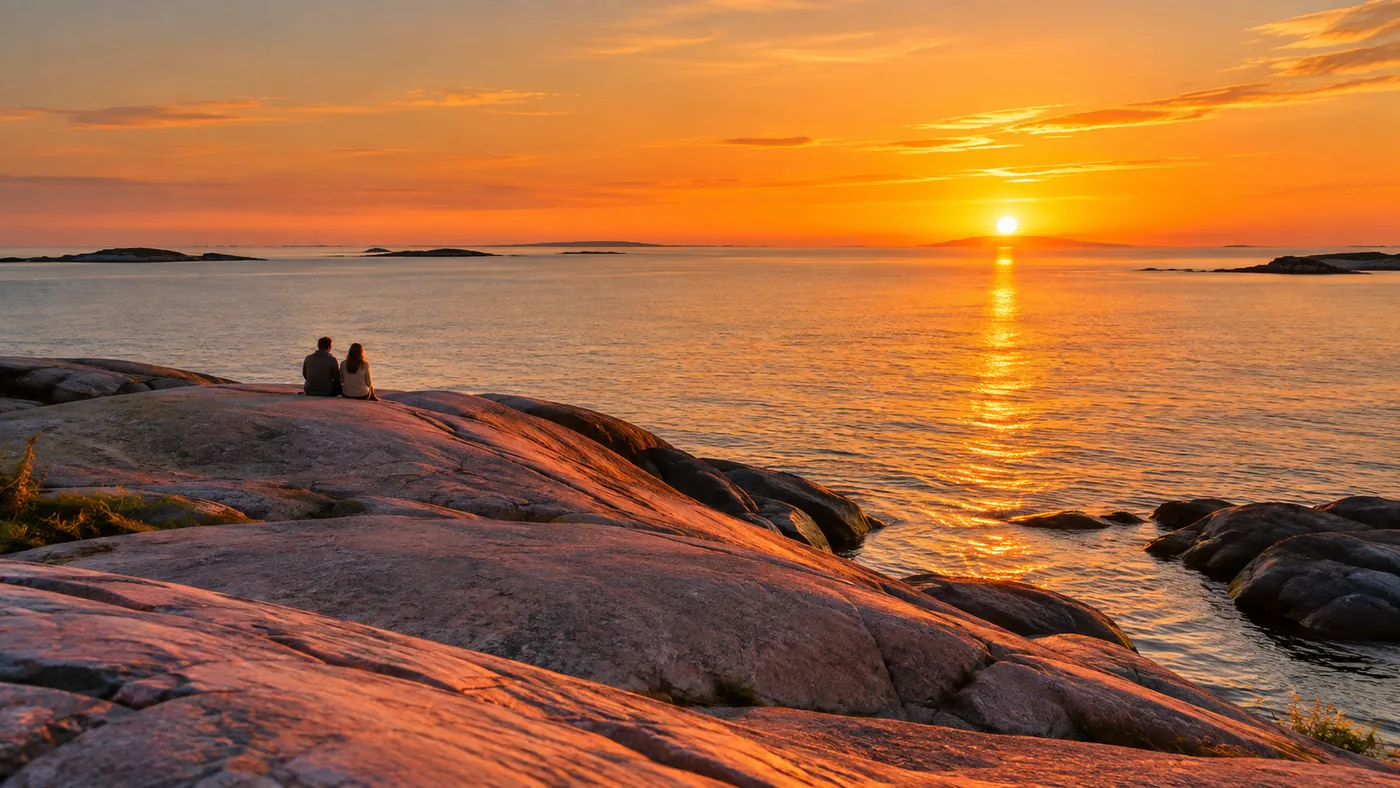
The Gothenburg archipelago in 2.5 hours from the city centre: past Nya Älvsborg and among the southern islands, with a live guide.
Check dates for the archipelago cruise with a live guideIs it better to go to Stockholm or Gothenburg?
For a first trip to Sweden with time for museums, palaces and an old town, Stockholm. For a shorter, more relaxed trip built around the sea, seafood and easy island days, Gothenburg. Many travellers do both, a few hours apart by train.
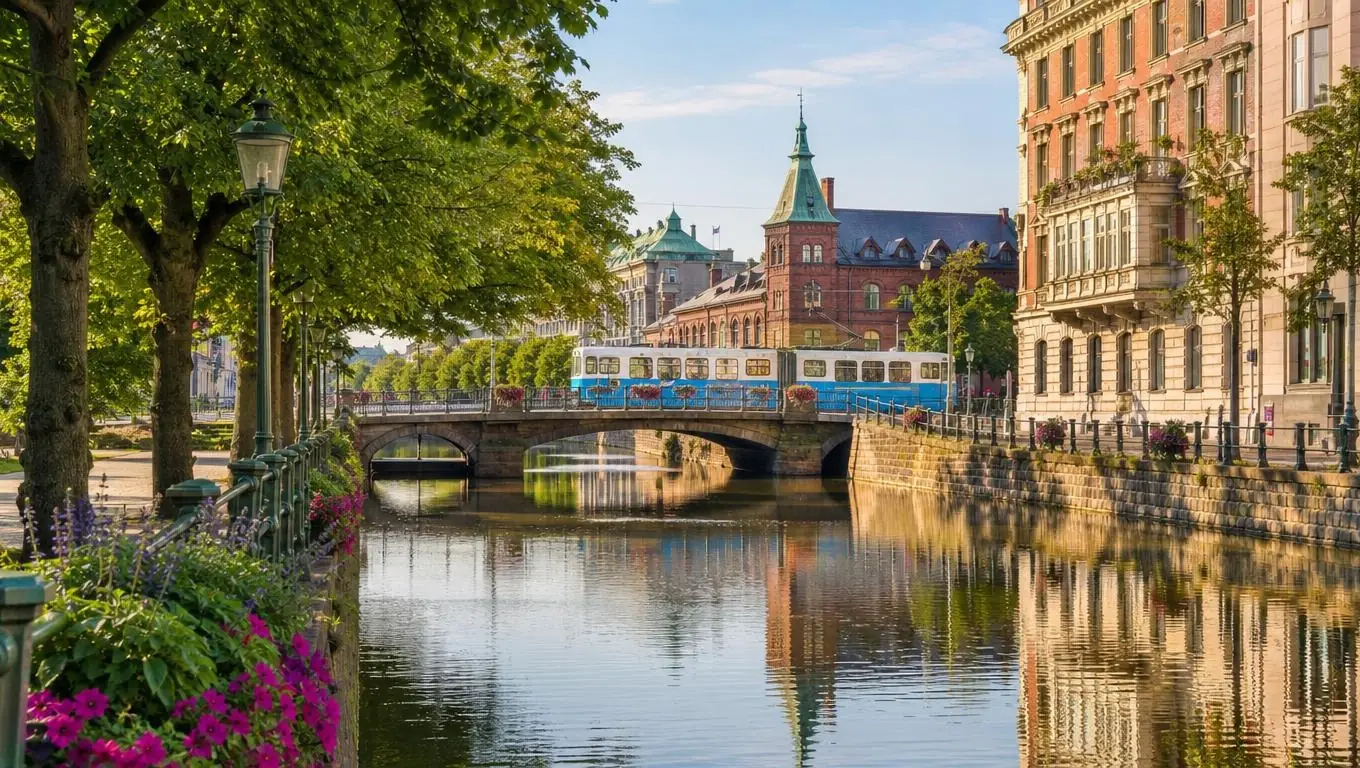
Stockholm is the capital, spread over islands and water, with royal palaces, the old lanes of Gamla stan and many of the country's big museums. Gothenburg is smaller and more laid-back: a harbour city with canals, the cafés of Haga, Liseberg, Feskekôrka and Universeum, where you can be swimming off an island an hour after you leave your hotel. If your trip has room for both, the west coast is the easier place for a spontaneous island day, and Stockholm is the better place for a planned stay among the islands. Gothenburg in one day shows how to fit the city and an island into a single day.
Which is prettier, Copenhagen or Stockholm?
It depends on what you like. Copenhagen is flat and compact, with canals, colourful harbour houses and bicycles everywhere. Stockholm is built across islands, with water and hills between its districts.
Both are among the most attractive capitals in Northern Europe, and neither is a wrong choice. Copenhagen feels intimate and easy on a bike. Stockholm feels grander, with wide views over water from many of its bridges. What neither offers so easily is bare granite islands and open sea a tram ride from the centre, and that is where Gothenburg comes in. If you are combining Denmark and Sweden, Gothenburg is a natural link: it sits on the west coast between Oslo and Copenhagen, and Stena Line sails from here to Frederikshavn in northern Denmark.
How many days in Stockholm is enough?
Two or three days for the city, plus one more if you want to see the archipelago properly. Gothenburg needs less: one day for the city and one for the islands works well.
In Stockholm, two days cover the old town, a couple of museums and a walk along the water, and a third lets you slow down. Give the archipelago a full extra day, because the boats out to the islands most people picture take a good part of the morning. If you love it, a night on an island is even better.
In Gothenburg, the islands are so close that you can mix city and sea in one day. The southern islands are about an hour from the city centre, and Vrångö is about an hour door to door. For a guided overview with less effort, the archipelago cruise with lunch (4.4 from 48 reviews) gives you 2.5 hours on the M/S S:t Erik with a reserved seat in the dining room and the lunch of the day. It does not land on any island, but it shows you the harbour and the southern archipelago in one sitting.
What makes the Gothenburg archipelago different?
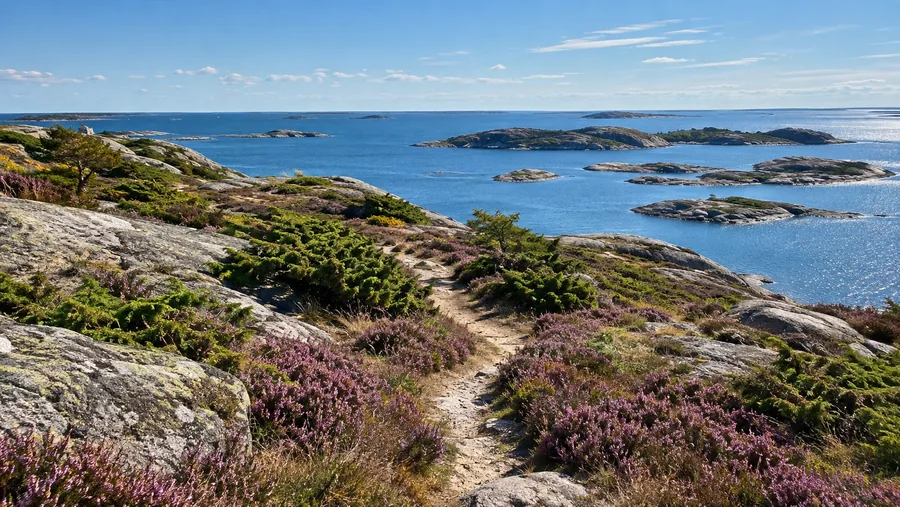
Bare granite, salt water and seafood. The islands are open and rocky, the sea is the salty Kattegat, and shrimp, mussels and lobster come from the same water you swim in.
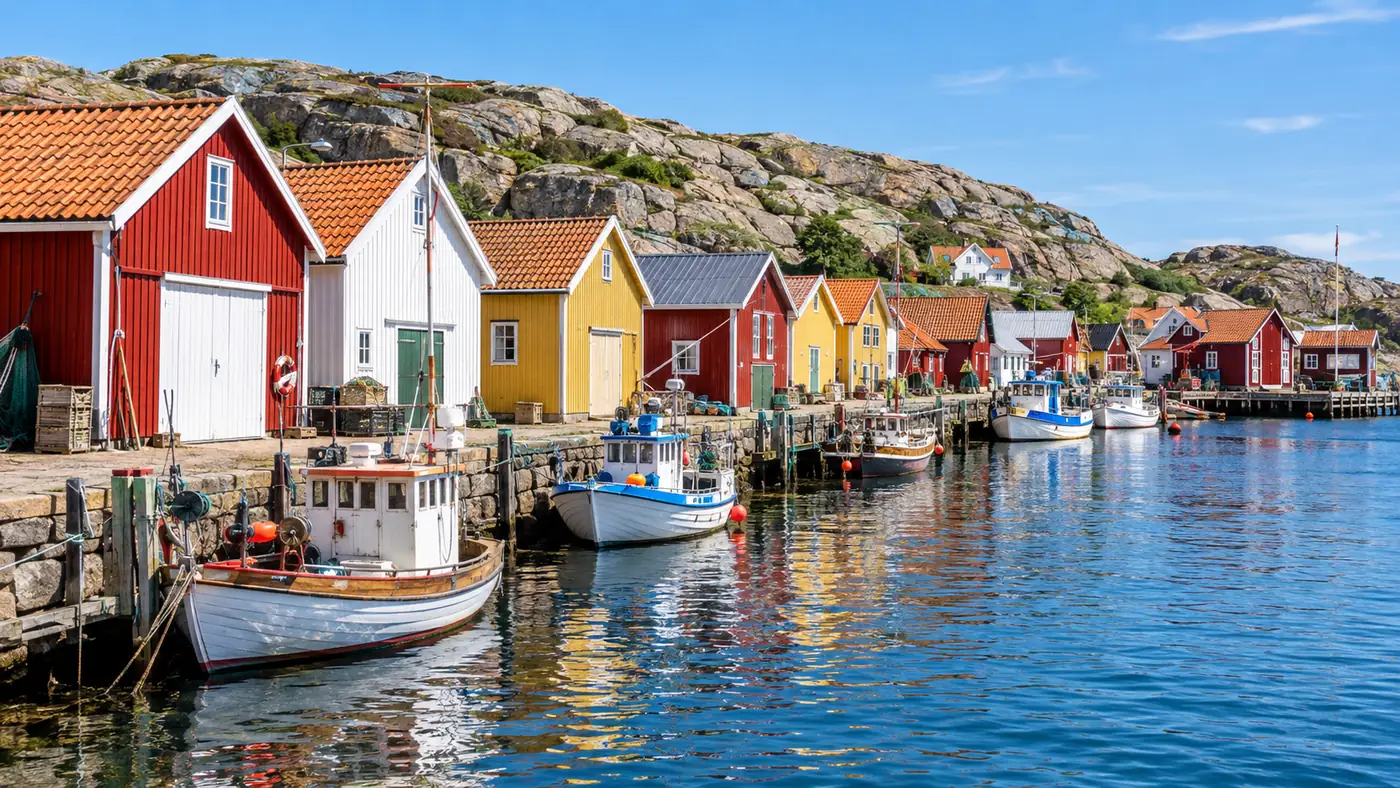
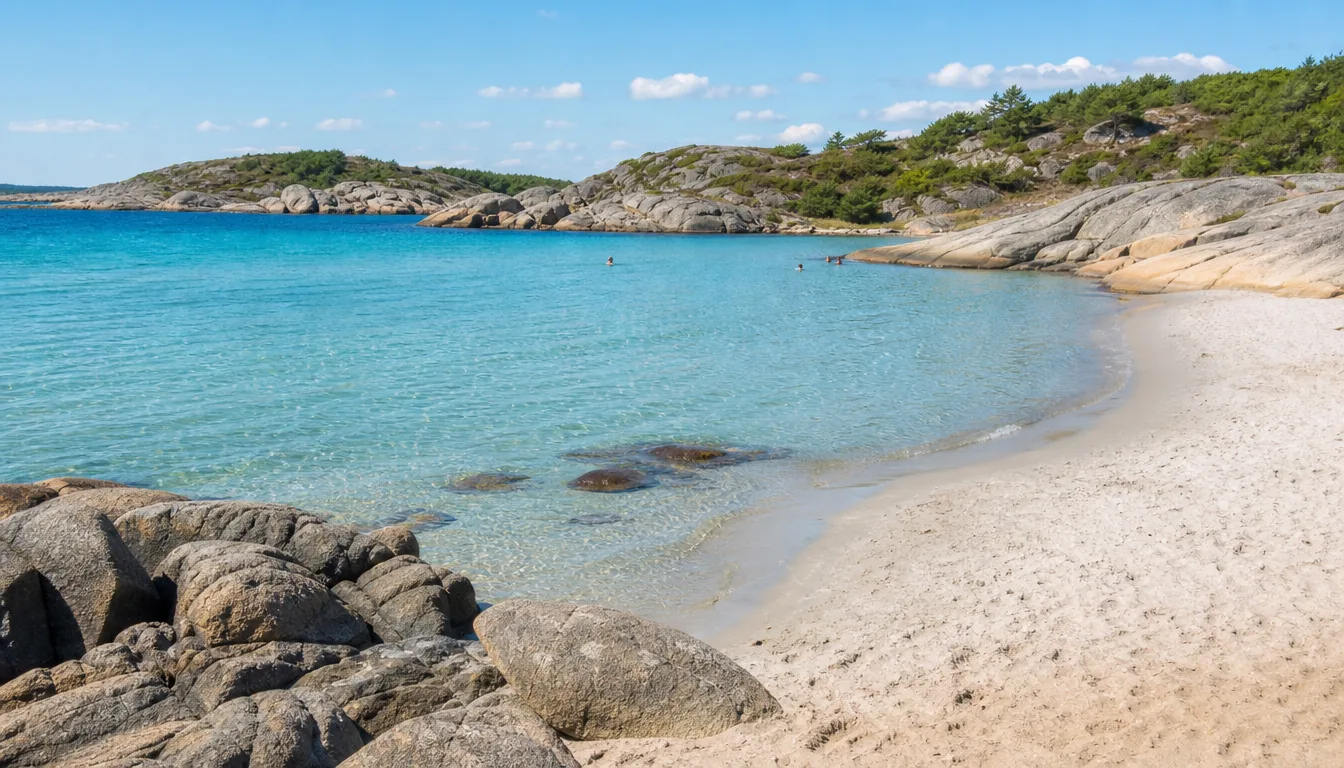
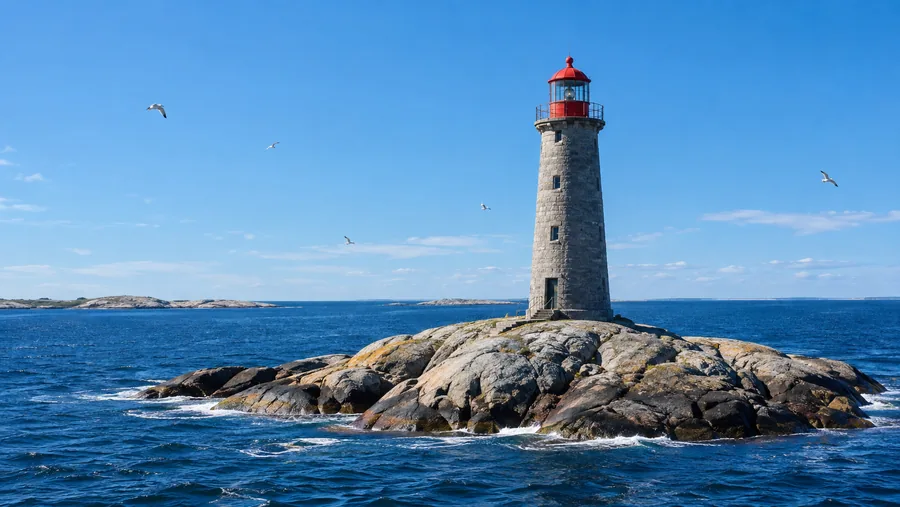
The southern archipelago has eight inhabited islands, all without cars; residents get around on foot, by bike and on small flatbed mopeds. Styrsö Bratten has an EU bathing site with top water-quality marks, and Vrångö has sandy coves and a large nature reserve. To the north, Öckerö has about 1,000 islands and skerries, 10 of them inhabited, with fishing harbours such as Hönö Klåva and moorland walks on Rörö. Out on its own lies Vinga, Gothenburg's westernmost point. Its lighthouse, 29 m tall, was built in 1890, and Evert Taube's father was the keeper, so the songwriter spent part of his childhood there. Boats to Vinga run from spring to mid-October; check the Vinga boat list before you go.
Seafood is the other draw. The water is usually around 17 to 18 °C by August, pleasant for a swim before shrimp on a quay, and the lobster season opens on the first Monday after 20 September. The shrimp and salmon buffet evening cruise (4.7 from 14 reviews) brings the two together on the water, and for a quieter evening the evening sailing tour with fika (5.0 from 5 reviews) takes a small group out under sail from Stenpiren. Neither goes ashore. Northern or southern archipelago helps you choose a side.
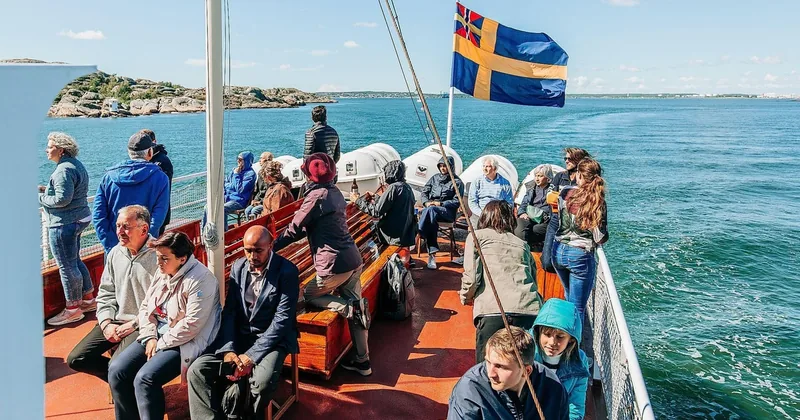
See the Gothenburg archipelago before you decide where to land: 2.5 hours on the M/S S:t Erik from Lilla Bommen, past Nya Älvsborg and the southern islands, with a live guide. Rated 4.4 from 1,510 reviews.
Explore the archipelago cruise with a live guideHow do you get from Gothenburg to Denmark by sea?
Stena Line sails from Gothenburg to Frederikshavn in northern Denmark, across the Kattegat. The crossing takes about 3 hours 15 minutes, with several sailings a day.
The ships take foot passengers as well as cars, so the route works for a road trip and for travellers without a car. From Frederikshavn, trains and roads continue south through Jutland. Check the timetable and book on the Stena Line website. If you are heading for Copenhagen rather than northern Denmark, the train via Malmö and the Öresund bridge is the usual way over land.
Leaving Gothenburg by sea also gives you a last look at the archipelago, as the ships pass Nya Älvsborg fortress and the outer islands on the way out. It is not a sightseeing tour, but on a clear day the view from the deck is a fine farewell.
Can you take a boat from Sweden to Germany?
Yes. Stena Line runs an overnight ferry from Gothenburg to Kiel, around 14 hours, leaving in the evening and arriving the next morning.
The ships on the route are the Stena Germanica and the Stena Scandinavica, with cabins for the night, restaurants and space for cars. It is a relaxed way to travel between Sweden and northern Germany with a car or a lot of luggage, and you wake up at your destination. From Kiel, trains continue to Hamburg and the rest of Germany.
If you have a spare day in Gothenburg before you sail, spend it on the water: the archipelago cruise from Lilla Bommen shows you the islands in 2.5 hours, or take tram 11 and a ferry to one of the southern islands yourself. All the options are in the tours on the homepage.
A small-group sail from Stenpiren with a skipper and fika in a quiet bay, a calm last evening on the west coast.
Check dates for the evening sailing tour with fikaFrequently asked questions
Is the Gothenburg archipelago smaller than the Stockholm archipelago?
Yes. The Stockholm archipelago has over 30,000 islands, while the Gothenburg region has over 7,600, according to the city's tourist board. The Gothenburg islands are closer to the city and quicker to reach.
Can you visit both archipelagos on one trip?
Yes. Stockholm and Gothenburg are a few hours apart by train. Give each city at least two days if you want an island day in both.
Which archipelago is easier without a car?
The southern Gothenburg archipelago. The islands have no cars and are part of the city's public transport, about an hour from the centre by tram and ferry.
Do the Gothenburg island ferries run all year?
Yes. The boats to the southern islands run all year, with fewer departures outside summer. Check the Västtrafik planner before you go.
Ready to book
Choose your day out
Check your date and the live price on GetYourGuide; the refund terms are shown on each option.
Archipelago Cruise with a Live Guide
- 2.5 hours on the M/S S:t Erik from Lilla Bommen
- A live guide in English and Swedish
- Open sun deck, indoor saloon, restrooms
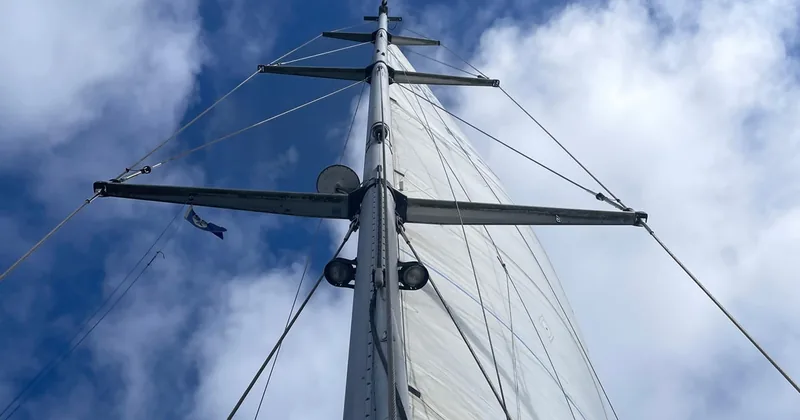
Evening Sailing Tour with Swedish Fika
- About 3.5 hours on a sailing boat from Stenpiren
- A skipper and a short safety briefing
- Help with the sails or steer, no experience needed
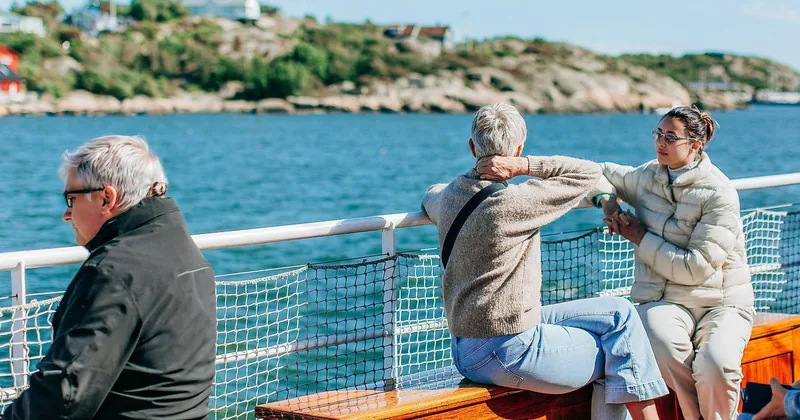
Archipelago Cruise with Lunch
The guided S:t Erik cruise with a reserved seat in the dining room and the lunch of the day