Booking choice: The hot rod tour of the northern islands, ★ 5.0 (7). Check dates Compare the options below
The Gothenburg archipelago is really two archipelagos, split by the mouth of the Göta älv. To the south lie the islands of the city itself, reached by tram and ferry, with no cars and narrow lanes between wooden houses. To the north lie the islands of Öckerö municipality, strung like a line of pearls between Vinga and Marstrand, with roads, buses, fishing fleets and harbours full of boats.
This guide compares the two halves honestly, explains what to do on Hönö and Öckerö, where to see Vinga lighthouse and whether Marstrand is worth the longer trip. The practical details of lines and tickets are in the ferry guide, and the southern islands one by one in the best southern islands.
The quick answer
South (Södra skärgården): eight inhabited islands, no private cars, tram 11 or bus 114 to Saltholmen then Västtrafik boats 281 to 284; best for beaches, swimming, easy walks and families; very busy on summer weekends. North (Öckerö): about 1,000 islands and skerries, 10 inhabited; bus X6 to Lilla Varholmen, the Hönö road ferry (about 12 to 13 minutes, nothing to buy), island buses 1 and 2; best for fishing harbours, seafood, moorland walks and year-round restaurants. Marstrand: train or bus to Ytterby or Kungälv, bus 302 to Marstrand-Koön, then a 2-minute passenger ferry; fortress town, no cars on the island. Vinga lighthouse: 29 m, built 1890, boats from Hönö Klåva and Fotö, most from spring to mid-October. Driving: possible in the north, not on the southern islands. Tours: the hot rod tour drives the northern islands; the classic cruise shows the southern islands from the deck.
Should you choose the northern or the southern archipelago?
The south if you want islands without cars, beaches and the simplest trip by tram and ferry. The north if you want fishing villages, seafood, moorland walks and restaurants that stay open all year, or if you are travelling by car.
The two halves feel different as soon as you land. On Styrsö or Vrångö you walk or cycle along gravel lanes, residents carry their shopping on flatbed mopeds and golf carts, and the loudest sound is often the ferry horn. On Hönö or Öckerö there are roads, buses and supermarkets, working harbours and a long fishing tradition, and many more places to eat in October or February. Neither is better in every way, so the table sets out the trade-offs, with Marstrand added for comparison.
A simple rule: for a summer day of swimming and picnics, go south; for a seafood lunch by a harbour, a moorland walk or a winter trip, go north. With two days, do one of each.
| Area | How you get there | Car | Best for | Highlight |
|---|---|---|---|---|
| South | Tram 11 or bus 114 to Saltholmen, then boats 281 to 284; about an hour from the centre | No private cars on the islands; park at Saltholmen, Långedrag or Hinsholmen | Swimming, sandy coves, families, easy walks | Styrsö Bratten, Vrångö's beaches, Brännö's village |
| North | Bus X6 to Lilla Varholmen, the Hönö road ferry, then island buses 1 and 2 | Yes, over the road ferries and bridges | Fishing harbours, seafood, moorland walks, year-round restaurants | Hönö Klåva, Fotö, Rörö, boats to Vinga |
| Marstrand | Train or bus to Ytterby or Kungälv, bus 302 to Marstrand-Koön, then a 2-minute passenger ferry | Only to Marstrand-Koön; no cars on the island | History, sailing atmosphere, a fortress | Carlsten Fortress, in season |
How big is the Gothenburg archipelago?
Very big on the map, small in practice. According to the city's tourist board, there are over 7,600 islands in the Gothenburg region. The northern archipelago alone has about 1,000 islands and skerries, 10 of them inhabited, and the southern archipelago has eight inhabited islands.
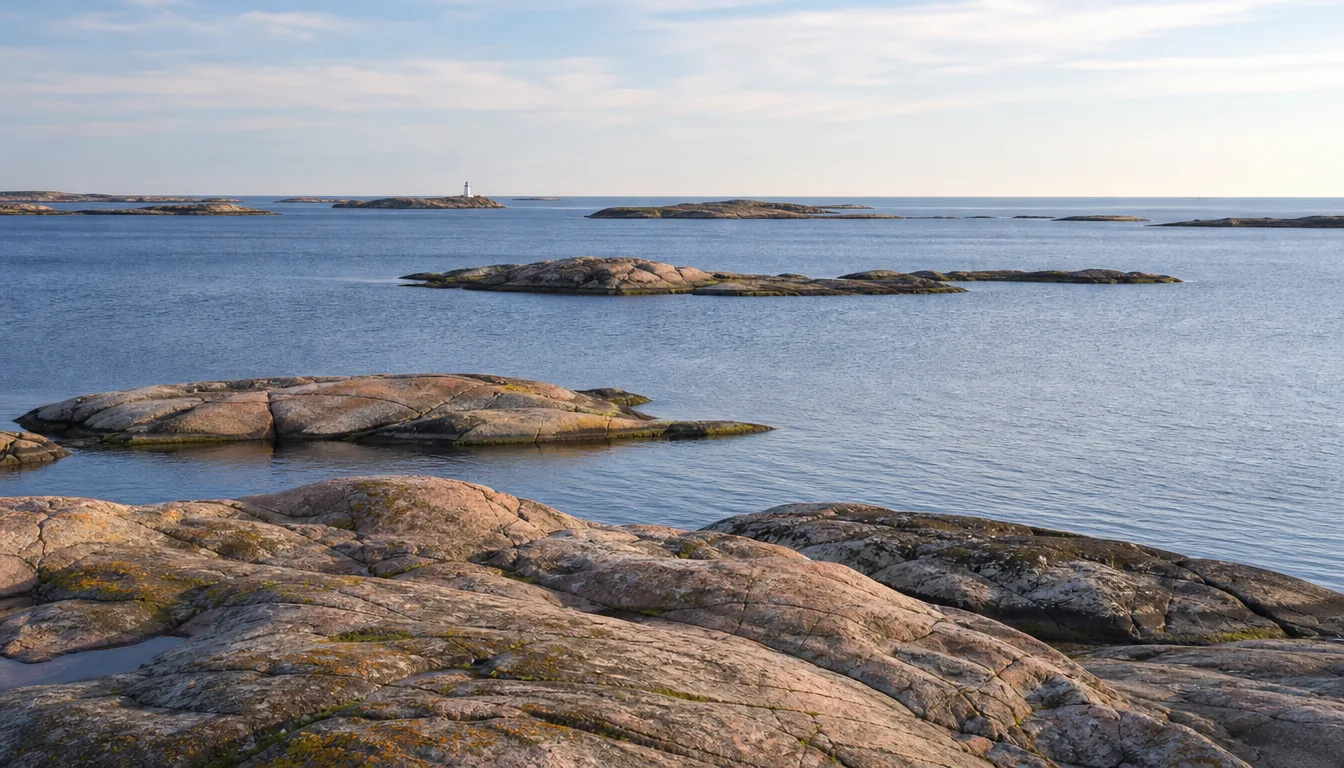
Most of those thousands of islands are bare skerries, too small for anything but seabirds and the odd seal. The ones visitors reach are the inhabited islands. In the north they are Hönö, Öckerö, Fotö, Hälsö, Rörö, Hyppeln, Källö-Knippla, Björkö, Grötö and Kalvsund. In the south they run from Asperö and Brännö near the coast out to Vrångö, the southernmost island inhabited all year, with Köpstadsö, Styrsö, Donsö, Knarrholmen and Stora Förö between.
Öckerö municipality has about 13,000 residents and no road link to the mainland, so the ferries are its lifeline. The southern islands are part of the city of Gothenburg itself and are reached all year from Saltholmen. Neither half is far: Hönö is about 12 to 13 minutes across the water from Hisingen, and Styrsö is about an hour from the city centre by tram and boat.
Who should pick the southern islands?
Families, swimmers and anyone travelling without a car. The southern islands are closest to the city on public transport, have the sheltered sandy coves, and you can hop between several islands on one day ticket.
The south suits a day with no fixed plan. Take the boat to Styrsö, walk to the bathing jetty at Bratten, have lunch, then continue to Vrångö for the beaches or to Brännö for its village lanes. The flip side is crowds: on warm summer weekends the boats from Saltholmen fill up, and the beaches near the piers get busy. Go early, or on a weekday.
If you would rather see the southern islands without planning anything, the archipelago cruise with a live guide (4.4 from 1,510 reviews) sails among them for 2.5 hours from Lilla Bommen, but it stays on board. The evening sailing tour with Swedish fika (5.0 from 5 reviews) takes a small group out from Stenpiren and anchors in a quiet bay for coffee and a cinnamon bun, also without going ashore. To walk on an island with a guide, the Brännö and Galterö hike is a new listing with no reviews yet: 12 to 18 km on foot through the Galterö nature reserve, with fika at the end.
Sail out from Stenpiren with a skipper, help with the sails or take the helm, then coffee and a cinnamon bun in a quiet bay. No experience needed.
Check dates for the evening sailing tour with fikaWhat is there to do on Hönö and Öckerö?
Eat seafood at Hönö Klåva, walk in the Ersdalen nature reserve, take a seal safari or a boat to Vinga, and follow the archipelago trail from the Hönö ferry terminal to Hälsö. Fotö, joined to Hönö by a bridge, adds cafés and a seaside sauna.
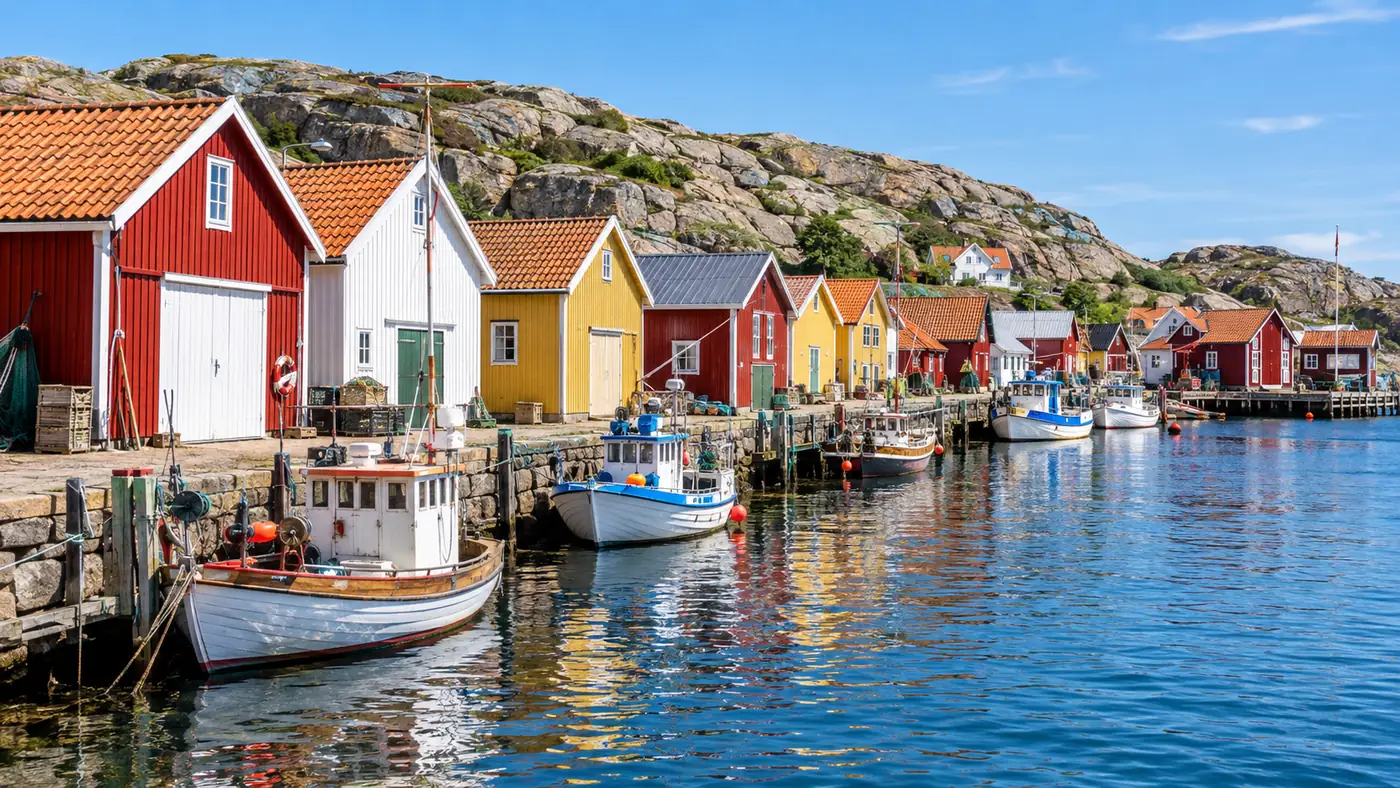
- Hönö Klåva: the fishing harbour on Hönö, with restaurants, cafés and a fish shop; island bus 2 stops nearby. From here, boats run seal safaris, crab fishing and trips to Vinga.
- Ersdalen: a nature reserve on Hönö, good for a short walk.
- Fotö: linked to Hönö by a bridge, with Café Boa, Holmboms Ark and a seaside sauna you can book.
- Öckerö and Hälsö: reached by island bus 1 from the Hönö terminal; Hälsö is the jumping-off point for the ferry to Rörö, Hyppeln and Knippla.
- The archipelago trail: Göteborgs skärgårdsled runs from the Hönö ferry terminal to Hälsö and is part of the long-distance Kuststigen trail.
- Seafood season: the lobster season opens on the first Monday after 20 September.
The hot rod tour of the northern islands (5.0 from 7 reviews) is a different way to see them: 3.5 hours, with about 3 hours behind the wheel of your own mini hot rod, from north-east Gothenburg through Lindholmen and Eriksberg, over the bridges and onto the road ferry to Hönö, Öckerö, Fotö and Hälsö, with photo stops along the way. The ferry crossing is part of the tour. You need a valid driving licence, must be 18 or older, between 1.55 and 2.00 m tall and under 130 kg.
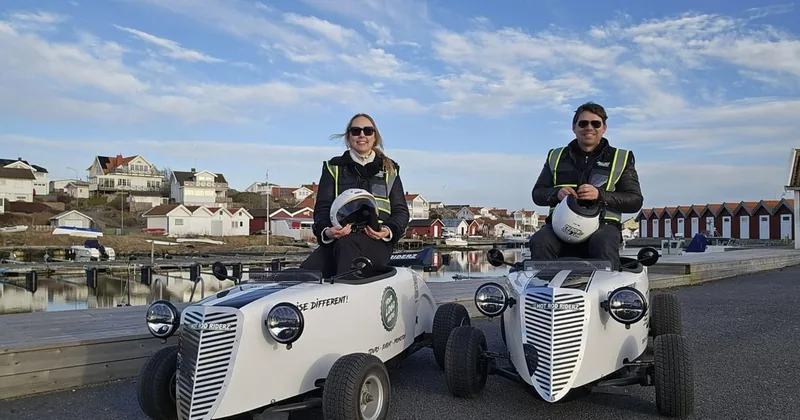
Drive your own mini hot rod for about 3 hours: Lindholmen, Eriksberg, the bridges and the road ferry to Hönö, Öckerö, Fotö and Hälsö, with a guide, photo stops, helmet and the ferry crossing included. Rated 5.0 from 7 reviews.
Explore the hot rod tour of the northern islandsWhich northern islands are best for walking?
Rörö for open, almost treeless moorland and birdlife, Källö-Knippla for a scenic 4 km walk, and Björkö for the highest point in the municipality. Grötö is the quiet choice, with no cars and about 100 year-round residents.
Rörö, at the end of the Nordöleden ferry from Burö on Hälsö, is the favourite of walkers and birdwatchers: heather, bare rock and wide sea views, about 16 minutes by road ferry from Hälsö. Hyppeln, on the same ferry route, is known as the mackerel paradise and looks across to Carlsten Fortress at Marstrand. Källö and Knippla are a joined pair of islands with a scenic 4 km walk.
On Björkö, Röseberget in the north rises to about 50 m, the highest point in Öckerö. Björkö has its own road ferry from Lilla Varholmen. Grötö and Kalvsund are reached by passenger boat 296 from Öckerö and feel much like the southern islands: small, quiet and without traffic. Bring food and water on the smaller islands, because services are few, and check the last ferry back.
Can you drive to the islands?
In the north, yes: the road ferries from Lilla Varholmen carry cars to Hönö, Öckerö and Björkö, and bridges join many of the islands. In the south, no: the islands have no private cars, so you park on the mainland and take the boat.
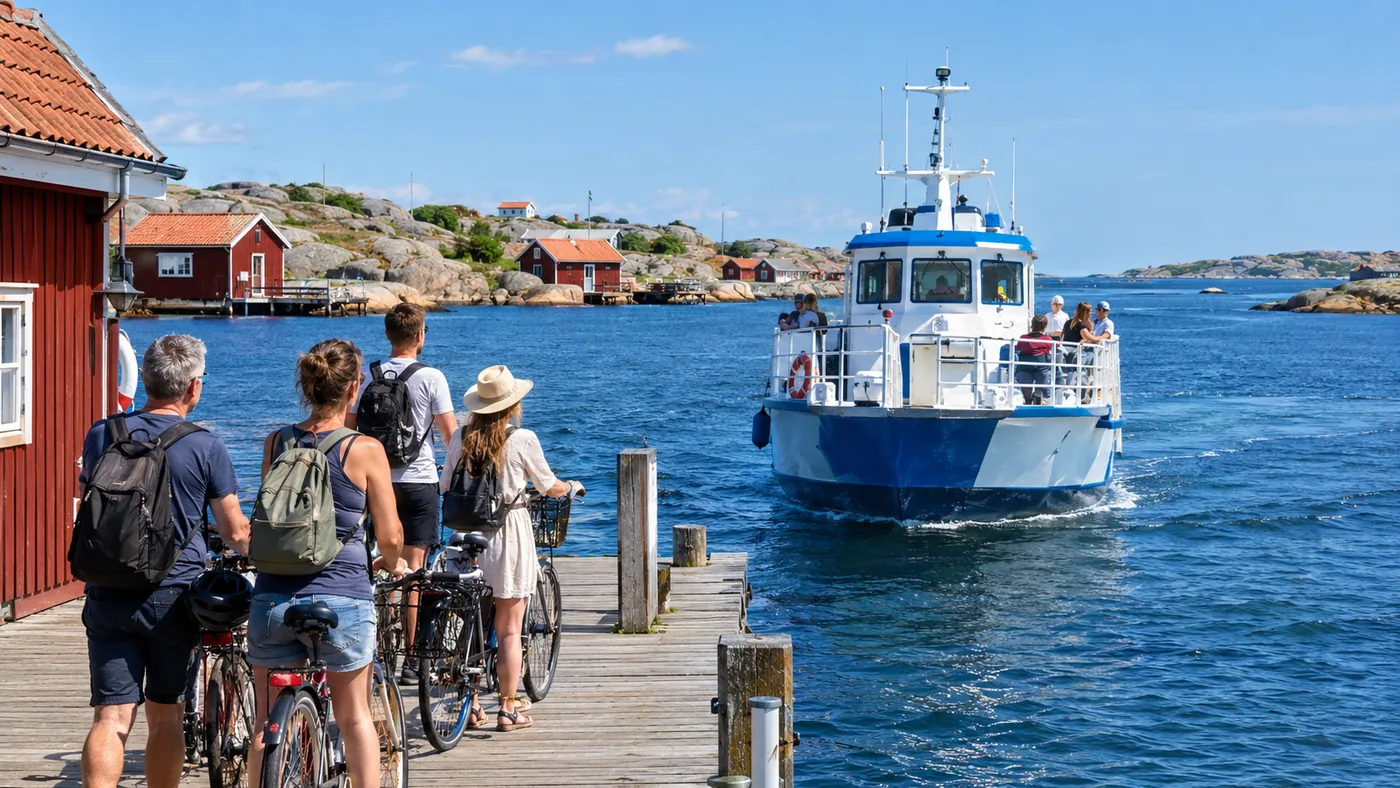
The Hönö road ferry is part of public road 155 and is Sweden's busiest road ferry route. Cars, cyclists and foot passengers all ride it, and there is nothing to buy for the crossing itself. Bridges then link Hönö, Öckerö, Fotö and Hälsö, while Rörö, Hyppeln and Knippla are reached by the Nordöleden ferry from Burö.
For the southern islands, park at Saltholmen, Långedrag or Hinsholmen and continue on foot. Only taxis and emergency vehicles drive on the islands; Brännö has its own island taxi. Marstrand works the same way: you can drive to Marstrand-Koön, but the island itself has no cars, and a passenger ferry takes you across in about 2 minutes. More on lines and tickets is in the ferry guide.
Where can you see Vinga lighthouse?
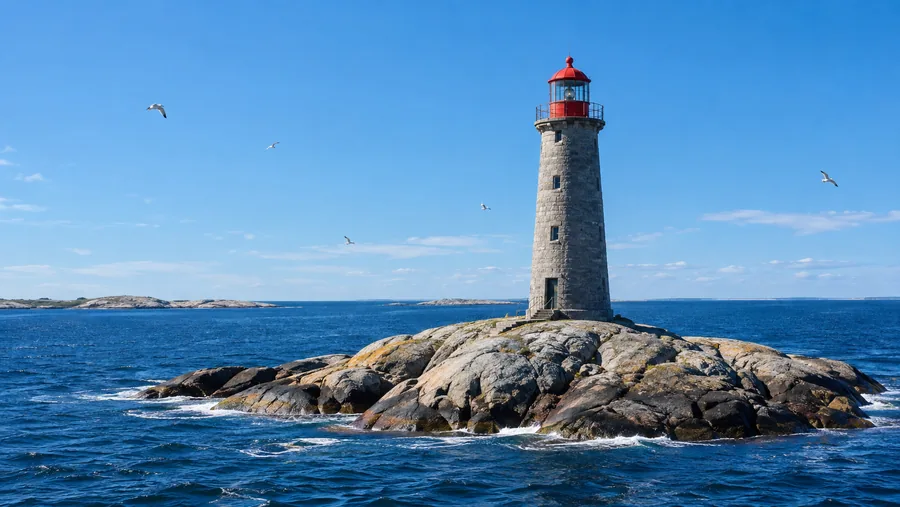
From the boats that go out to Vinga, Gothenburg's westernmost point, mostly from Hönö Klåva and Fotö, and from the shore of the outer islands on a clear day. The stone lighthouse is 29 m tall and was built in 1890.
Evert Taube, the much-loved Swedish singer and songwriter, partly grew up there, because his father was the lighthouse keeper from 1889 to 1905; the Taube museum is in his childhood home. Lighthouse lights have shone on Vinga since 1840 to 1841, and the 1890 tower is still the landmark sailors look for when they approach the city.
- Boats: from Hönö Klåva and Fotö, with some operators listing trips all year; Strömma and M/S Kungsö have run summer trips from the city centre.
- Season: most Vinga boats run from spring to mid-October, and guided tours of the lighthouse run daily in high summer and at weekends in spring and autumn; check before you go.
- From the shore: you look out towards Vinga from the restaurants at Hönö Klåva and from the pier at Brännö Husvik.
The Vinga boat page lists the current departures.
Is Marstrand worth the trip?
Yes, for history and atmosphere, if you have a full day. Marstrand is a fortress town on an island without cars, with Carlsten Fortress above the harbour, but it is the furthest away and the bus no longer runs from Gothenburg.
Marstrand lies about 45 km northwest of Gothenburg. There is no direct Västtrafik bus from Gothenburg any more: line 302 now runs between Marstrand, Ytterby and Kungälv. Take the train or a bus to Ytterby or Kungälv, then bus 302 to Marstrand-Koön, then the small passenger ferry, about 2 minutes, across to Marstrand; check the Västtrafik planner. By car, follow the E6 to Kungälv and road 168 for about 25 km to Marstrand-Koön, then cross on foot.
The first version of Carlsten Fortress was built after the area became Swedish in the 1658 peace with Denmark-Norway, and its walls still crown the island. The fortress is open in summer and on some weekends, so check the season before you go on the Carlsten website. If your time is short, the nearer islands give you more sea for less travel: the hot rod tour covers the northern islands in an afternoon, and the cruise shows the southern islands in 2.5 hours. For a day split between the city and the water, see Gothenburg in one day.
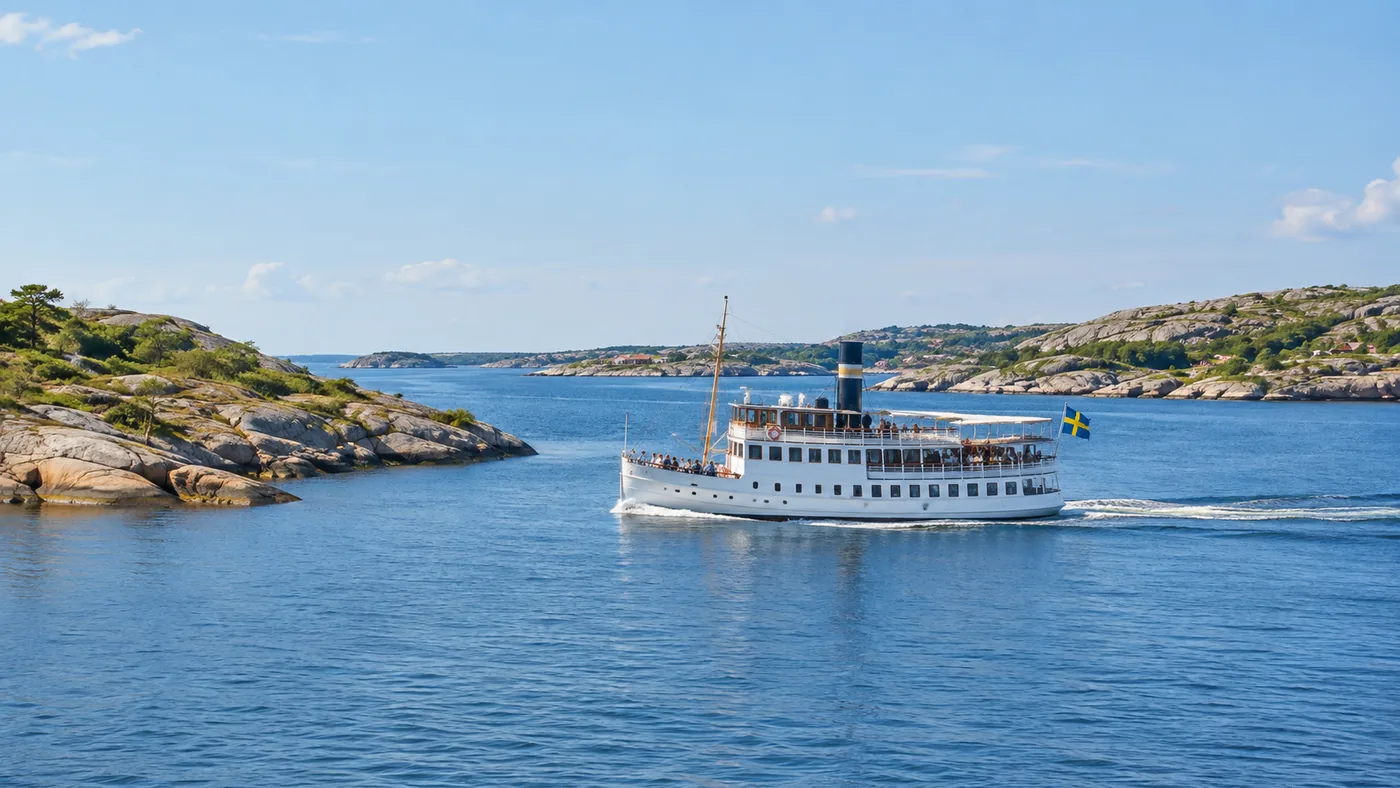
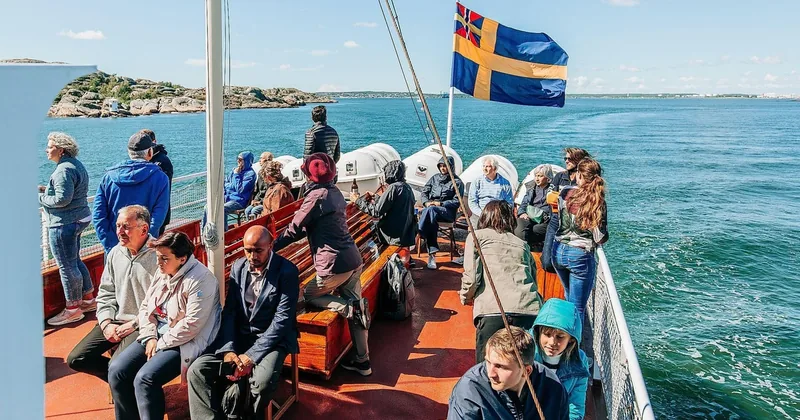
The classic overview of the southern islands: 2.5 hours on the M/S S:t Erik from Lilla Bommen with a live guide, café and bar on board.
Check dates for the archipelago cruise with a live guideFrequently asked questions
Is the northern archipelago open in winter?
Yes. The road ferries and island buses run all year, and the northern islands keep more restaurants, shops and places to stay open outside summer than the southern islands.
Can you walk onto the Hönö ferry?
Yes. Foot passengers and cyclists ride the road ferry from Lilla Varholmen with the cars, and there is nothing to buy for the crossing itself.
Which half of the archipelago has better beaches?
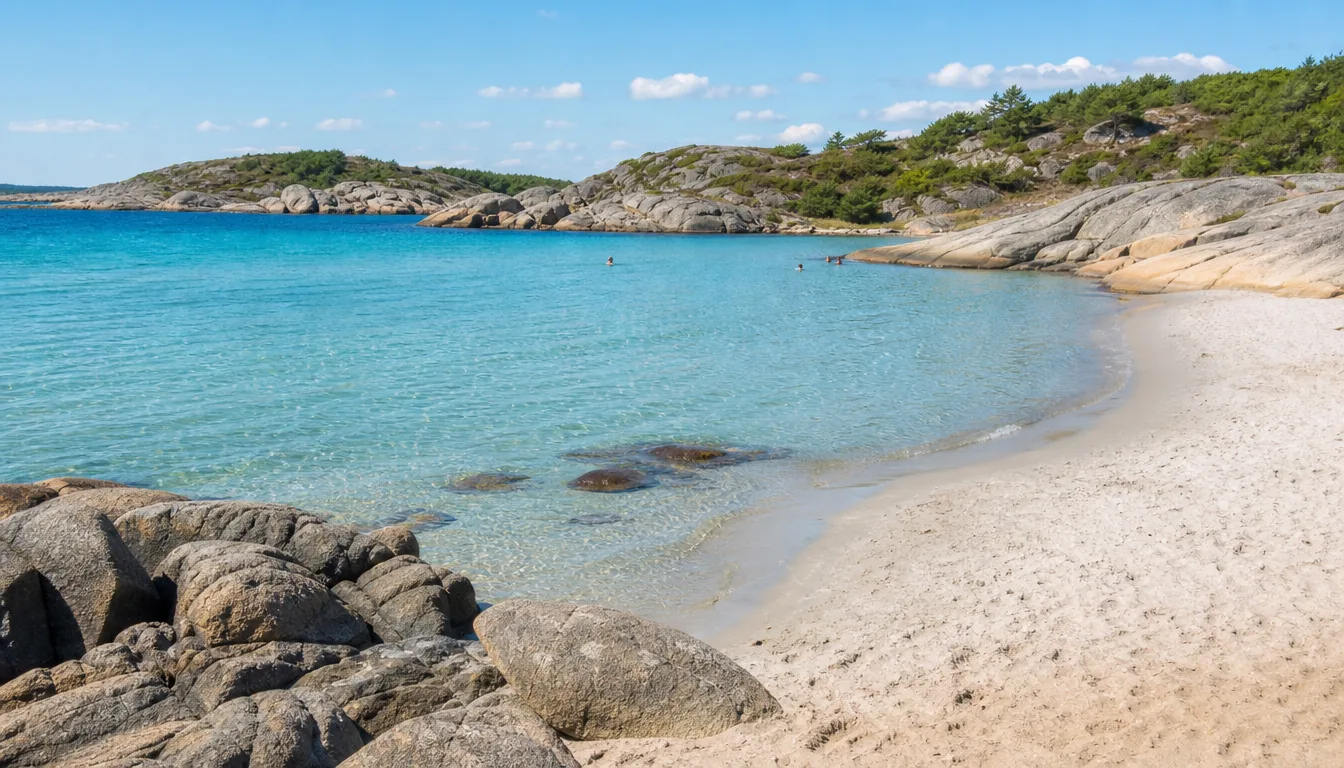
The south. Vrångö has sandy coves, and Styrsö Bratten is an EU bathing site with top water-quality marks. The north is more about rocks, harbours and moorland.
Is there a bus from Gothenburg to Marstrand?
Not directly any more. Take the train or a bus to Ytterby or Kungälv, then bus 302 to Marstrand-Koön and the 2-minute passenger ferry.
Ready to book
Choose your day out
Check your date and the live price on GetYourGuide; the refund terms are shown on each option.
Hot Rod Tour of the Northern Islands
Drive your own mini hot rod to Hönö, Öckerö, Fotö and Hälsö; ferry included, driving licence needed
Archipelago Cruise with a Live Guide
- 2.5 hours on the M/S S:t Erik from Lilla Bommen
- A live guide in English and Swedish
- Open sun deck, indoor saloon, restrooms
Brännö and Galterö Guided Hike with Fika
The one tour that lands: Brännö, closed to cars, and the Galterö reserve on foot, 12 to 18 km; new listing